Retro Plaid Abstract Seamless Patterns: A Modern Twist on Classic Design
Seamless patterns have long been a staple in the world of design, offering endless possibilities for creativity and customization. The Retro Plaid Abstract Seamless Patterns collection brings together the nostalgic charm of vintage plaid with the sophistication of modern abstract art. This set is not just another pattern pack—it's a versatile tool that empowers designers, artists, and creators to craft visually appealing projects across multiple industries. Whether you're working on fashion, branding, or home decor, this collection delivers both style and substance.
Exploring the Collection’s Key Features
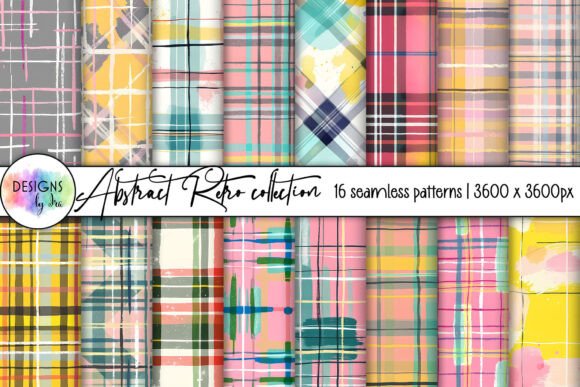
The Vintage Plaid Seamless Patterns Collection includes 16 high-quality PNG files, each measuring 3600 x 3600 pixels and designed at 300 dpi for professional-grade results. These dimensions ensure crisp details when printed and seamless tiling for digital use. Every pattern has been crafted with precision to avoid visible seams or distortions, making them ideal for repeatable applications such as fabric prints, stationery, and sublimation designs.
- Modern Geometric Shapes: Blending traditional plaid motifs with clean lines and angular forms, these patterns offer a fresh take on a timeless aesthetic.
- Artistic Brush Strokes: Subtle textures add depth and character, transforming flat designs into dynamic visual experiences.
- Trendy Pastel Hues: Soft, inviting colors make these patterns suitable for a wide range of styles—from minimalist to whimsical.
- Seamless Repeat: Each file is optimized for tile-based repetition, ensuring continuity without interruption.
Applications Across Industries
These patterns are more than decorative—they serve functional and creative purposes in various fields. Here’s how they can be applied in real-world scenarios:
Fashion and Textile Design
In the fashion industry, texture and print play a crucial role in defining a brand’s identity. The Retro Plaid Abstract Seamless Patterns provide a unique canvas for experimenting with fabric prints. Their pastel tones and geometric elements lend themselves well to contemporary apparel collections, especially in spring and summer lines where soft hues dominate. Designers can incorporate these patterns into scarves, tote bags, or even upholstery for a cohesive look across different product categories.
Digital Paper and Stationery
For digital paper and stationery, the ability to create a continuous background is essential. These patterns allow for elegant, eye-catching designs in greeting cards, planners, and note-taking apps. Their abstract nature ensures they remain visually engaging without overwhelming the text or images layered over them. Educators and researchers might find these useful for crafting organized and stylish study materials or presentations.
Branding and Packaging
Brand consistency is key in marketing, and the right pattern can elevate packaging from ordinary to extraordinary. With their retro-inspired yet modern appeal, these designs work well for lifestyle brands targeting young adults or those aiming to evoke a sense of nostalgia. They can be used to wrap products, label items, or even as part of a logo backdrop. The high resolution and seamless quality make them perfect for large-scale printing on boxes, tags, and promotional materials.
Home Decor and Interior Design
Interior spaces benefit greatly from the inclusion of thoughtful patterns. From throw pillows and curtains to wallpaper and table runners, the Vintage Plaid Seamless Patterns add warmth and personality. Their abstract nature allows for easy blending with other design elements, while the plaid base offers a touch of familiarity. These patterns can help hobbyists and professionals alike create cohesive themes in living rooms, bedrooms, or office spaces.
Why Choose Retro Plaid Abstract Patterns?
Designers often seek resources that combine usability with uniqueness. This collection meets both criteria by offering a balance between classic plaid and modern abstraction. Unlike generic pattern sets, these files encourage originality and adaptability. Their artistic brush strokes and subtle imperfections give them a handcrafted feel, setting them apart from purely algorithmic designs.
- High-Quality Resolution: At 3600 x 3600 px and 300 dpi, these patterns maintain clarity whether viewed digitally or in print.
- Flexible File Format: PNG files support transparency, allowing for easy integration into layered designs or overlays.
- Timeless Versatility: The blend of retro and abstract makes these patterns adaptable to both vintage and contemporary aesthetics.
- Professional-Ready Output: No need for extensive editing—these files are ready to use straight out of the box.
Practical Use Cases and Creative Inspiration
Understanding how to apply these patterns effectively requires some insight into their potential. Here are a few examples of how they can inspire creativity in different settings:
Scrapbooking and Mixed Media Projects
Scrapbook enthusiasts can use these patterns as backgrounds or accents. For example, a pastel plaid pattern could complement photos from a family vacation, adding a soft, cohesive texture to the layout. The abstract elements can also be cut into shapes or used as stencils for collages, enhancing the tactile experience of the project.
Business Branding and Identity Materials
Business owners looking to refresh their brand image may find these patterns invaluable. Imagine using a retro plaid design as the foundation for a new line of branded merchandise, such as mugs, notebooks, or T-shirts. The patterns’ subtle details prevent them from becoming too busy, maintaining a professional appearance while still being memorable.
DIY Crafts and Sublimation Projects
Sublimation printing involves transferring designs onto surfaces like ceramics, metal, or polyester fabrics. The seamless and detailed nature of these patterns ensures a smooth transition during the printing process. Hobbyists can experiment with custom tumblers, phone cases, or even clothing, achieving consistent results with minimal effort.
Graphic Design and Digital Art
Graphic designers often rely on background textures to enhance compositions. The abstract qualities of these patterns allow for layering with photographs, illustrations, or typography without clashing. A simple black-and-white plaid pattern could serve as a neutral backdrop for bold text in a poster, while a pastel version could add gentle contrast in a digital magazine layout.
Considerations for Optimal Use
To maximize the effectiveness of these patterns, it’s important to consider the context in which they’ll be used. While they’re highly versatile, certain choices can enhance or detract from the final outcome:
- Color Contrast: When layering text or graphics over the patterns, ensure there’s enough contrast for readability. Light-colored patterns may require darker fonts or highlights.
- Scale and Density: Some patterns are denser than others; test them at different scales to see how they affect the overall composition.
- Printing Mediums: Confirm compatibility with your printing process. High-resolution PNGs are generally safe for most printers but may require specific color profiles for optimal results.
- Design Balance: Avoid overcrowding layouts. Use these patterns as accents rather than dominant features unless the goal is to emphasize texture and form.
Comparisons and Trends in Pattern Design
In the ever-evolving landscape of design, trends shift rapidly. However, plaid remains a constant due to its cultural significance and adaptability. The Retro Plaid Abstract Seamless Patterns stand out by merging two seemingly opposite styles—retro plaid and abstract art—to create something that feels both familiar and innovative.
Compared to traditional plaid patterns, this collection introduces subtle variations through its abstract elements. Instead of rigid symmetry, the patterns include organic flow and irregular shapes, giving them a more artistic edge. This approach aligns with current design trends that favor mixed media and hybrid styles, particularly in fashion and branding sectors.
When compared to fully abstract patterns, the plaid base provides structure and direction, preventing the designs from feeling too chaotic. This balance is crucial for professionals who want to introduce creativity without sacrificing coherence. As a result, these patterns sit comfortably in a variety of niches, from indie fashion labels to corporate identity systems.
Implementation Tips for Designers
Using these patterns efficiently requires an understanding of workflow best practices. Here are a few strategies to keep in mind:
- Layer Them Thoughtfully: In graphic design software like Photoshop or Illustrator, place the pattern behind other elements to maintain visual hierarchy.
- Experiment with Opacity: Lowering the opacity of the pattern can create a subtle background effect, especially useful in digital content creation.
- Combine with Other Textures: Overlaying additional textures or gradients can add complexity and interest without overwhelming the viewer.
- Test Print Outputs: Always do a sample print before committing to a large run. This helps identify any issues with alignment or color reproduction.
Conclusion
The Retro Plaid Abstract Seamless Patterns represent a thoughtful fusion of tradition and innovation. Whether you're a seasoned designer or a creative hobbyist, this collection provides the tools needed to bring your ideas to life with ease and elegance. Its combination of pastel tones, geometric shapes, and artistic textures ensures broad applicability across industries and personal projects alike. By choosing this set, users gain access to a resource that balances beauty with functionality, making it a valuable addition to any design toolkit.