Spiral Seamless Vector Patterns: A Versatile Design Resource
In the ever-evolving world of graphic design, finding assets that are both aesthetically pleasing and functionally robust is essential. Spiral seamless vector patterns offer a unique combination of visual intrigue and practical adaptability, making them an invaluable resource for professionals across multiple creative fields. These designs, characterized by their continuous, flowing forms, provide a sense of rhythm and motion that can elevate any project from simple to sophisticated.
Understanding Spiral Seamless Vector Patterns
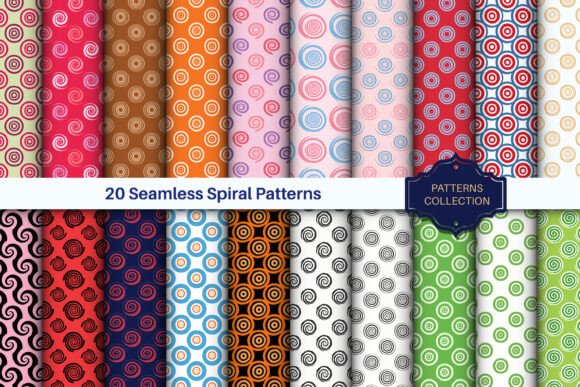
Spiral seamless vector patterns are digital illustrations composed of spiral motifs arranged in a way that allows them to repeat seamlessly. Unlike raster images, these patterns are built using vector graphics, meaning they maintain crisp edges and clarity at any scale. This makes them particularly well-suited for high-resolution printing and scalable digital use cases alike.
The appeal of spirals lies in their natural symmetry and hypnotic flow, which have been used historically in art, architecture, and symbolism. In modern design, they serve as dynamic elements that add depth and interest without overwhelming the viewer. The seamless aspect ensures that these intricate shapes can be tiled endlessly, preserving the integrity of the design while avoiding visible breaks or seams.
Key Features and Advantages
Several attributes distinguish spiral seamless vector patterns from other types of repeating designs:
- Scalability: As vector files, these patterns retain quality when scaled up or down, making them ideal for logos, large banners, and detailed artwork.
- Flexibility in Use: They work equally well in print and digital formats, from website backgrounds to fabric prints and packaging materials.
- Customization Potential: Most collections allow users to adjust colors, line weights, and spacing, enabling tailored applications.
- Time Efficiency: Ready-to-use patterns streamline the design process, saving hours of custom illustration work.
- Creative Inspiration: Their organic form encourages experimentation with layout, composition, and thematic design elements.
Design Purposes and Applications
Spiral seamless vector patterns find relevance in a broad range of scenarios:
- Web and UI Design: These patterns can be layered subtly behind content to create a sense of depth or movement, especially in landing pages, app interfaces, or portfolio sites.
- Print Media: Whether for posters, brochures, or book covers, the elegance of spiral designs enhances visual storytelling and branding consistency.
- Product Packaging: Their fluid nature complements eco-friendly themes, luxury aesthetics, or artistic product identities, adding a touch of sophistication to labels and containers.
- Textile and Fashion Design: When applied to fabrics or wallpaper, spirals evoke a sense of flow and continuity, often associated with natural or spiritual motifs.
- Illustration and Art Projects: Artists can incorporate these patterns into mixed media works, enhancing compositions with intricate details or background textures.
Evaluating Quality and Usability
When assessing the value of a spiral seamless vector pattern collection, several factors come into play. First, the technical quality of the vectors—such as clean paths, consistent stroke widths, and accurate alignment—is critical. Poorly constructed vectors can lead to distorted repetitions or scaling issues, which may undermine the professional look of the final output.
A well-structured collection will also include variations in density, direction, and complexity. For example, a pattern with tightly wound spirals might suit minimalist designs, while looser, more abstract spirals could enhance bold, artistic visuals. Users should also consider how easily the patterns integrate with popular design software like Adobe Illustrator, Photoshop, or Inkscape. Compatibility and ease of editing contribute significantly to overall usability.
Additionally, file formats matter. Collections that include AI (Adobe Illustrator) and EPS (Encapsulated PostScript) files ensure flexibility across platforms and workflows. These formats support full editability, allowing designers to modify individual elements within the pattern if needed.
Strengths in Real-World Use
One of the most notable strengths of spiral seamless vector patterns is their ability to convey motion and energy without being distracting. This subtle dynamism makes them ideal for environments where attention needs to be drawn but not overwhelmed. For instance, a marketing team designing a wellness brand’s promotional materials might use spiral patterns to suggest harmony and balance, aligning with the brand's ethos.
Another advantage is their versatility in color schemes. Spirals can be rendered in monochrome for a sleek, modern feel or filled with vibrant gradients to create eye-catching effects. This adaptability supports diverse branding strategies and design preferences. Moreover, because they are non-repetitive in appearance, they avoid the “tiled” look common in many seamless patterns, offering a more organic aesthetic.
From a practical standpoint, these patterns can be used as standalone elements or combined with other vector components. For example, a freelance designer working on a client’s logo might overlay a spiral pattern to give it dimension and visual interest. Similarly, educators creating infographics about mathematics or biology could use spiral patterns to illustrate concepts like the Fibonacci sequence or DNA helix structures.
Who Benefits Most from Using These Patterns?
While spiral seamless vector patterns can appeal to a wide audience, certain professionals and creatives will derive the most benefit:
- Graphic Designers: Those seeking high-quality, customizable assets for clients or personal projects will appreciate the time-saving and stylistic advantages.
- Branding Specialists: The symbolic and emotional resonance of spirals can help reinforce brand identity, especially for industries tied to growth, innovation, or nature.
- Entrepreneurs and Small Business Owners: Affordable and adaptable pattern libraries enable entrepreneurs to maintain a polished, professional image across all collateral without hiring an in-house designer.
- Digital Marketers: Eye-catching yet subtle spiral patterns can improve engagement in social media templates, email headers, or blog banners.
- Fashion and Textile Designers: These patterns are perfect for experimenting with fabric layouts, embroidery, or screen-printed apparel designs.
Limitations and Considerations
Despite their strengths, spiral seamless vector patterns do have limitations that users should be aware of. One such challenge is ensuring that the pattern does not clash with the primary content of a design. Because spirals are inherently complex, they may compete with text or key visual elements if not used judiciously.
Also, while many collections offer customization options, some may require advanced knowledge of vector software to modify effectively. Beginners might need to invest time in learning basic tools or rely on pre-colored versions to simplify their workflow.
Lastly, not every design project will benefit from a spiral motif. For instance, a corporate finance report might appear too whimsical with an ornate spiral background. Understanding the appropriate context and application is crucial to leveraging these patterns effectively.
Long-Term Value and Reliability
Investing in a curated collection of spiral seamless vector patterns offers long-term value for several reasons. First, vector-based resources tend to remain relevant longer than flat image assets because they can be adapted to evolving design trends. Second, a high-quality library provides a ready source of inspiration and efficiency, reducing the need to start from scratch on repetitive tasks.
Reliability is another factor to consider. Reputable providers ensure that their patterns are tested for tiling accuracy and visual cohesion. Some even offer updates or new additions to the collection over time, keeping the resource fresh and useful. Additionally, clear licensing terms—especially for commercial use—are vital for professionals who want to use these assets without legal concerns.
Practical Recommendations
To maximize the utility of spiral seamless vector patterns, here are some actionable suggestions:
- Use low-opacity overlays for backgrounds to maintain readability and focus on foreground elements.
- Experiment with different color palettes to match brand guidelines or seasonal themes.
- Combine spiral patterns with geometric or floral motifs to create hybrid designs that reflect specific styles or narratives.
- Test the pattern in various resolutions and scales before finalizing a project to ensure visual consistency.
- Look for collections that include multiple orientations (e.g., clockwise vs. counter-clockwise) for added variety and realism.
Conclusion and Final Thoughts
Spiral seamless vector patterns are more than just decorative elements—they are strategic tools that enhance visual communication and design efficiency. When chosen thoughtfully and applied appropriately, they can transform static layouts into dynamic experiences. However, like any design asset, their success depends on understanding the project’s goals, audience, and style.
For those looking to incorporate movement, elegance, and natural beauty into their work, a carefully curated Spiral Seamless Vector Patterns Collection Dynamic Designs is worth exploring. Its blend of technical precision and artistic flair positions it as a valuable addition to any designer’s toolkit. With the right approach, these patterns can help achieve creative excellence and deliver visually compelling results that stand out in today’s competitive market.