Fruit Digital Paper Patterns: A Practical Guide to High-Quality Design Integration
When it comes to digital design and print-on-demand projects, having access to high-quality assets can make a significant difference in the final outcome. Fruit Digital Paper Patterns offer a versatile and professional solution for creators looking to enhance their work with vibrant, detailed fruit-themed designs. These downloadable digital patterns are ideal for both physical and digital applications, including backgrounds, greeting cards, notebooks, posters, and more.
Understanding Fruit Digital Paper Patterns
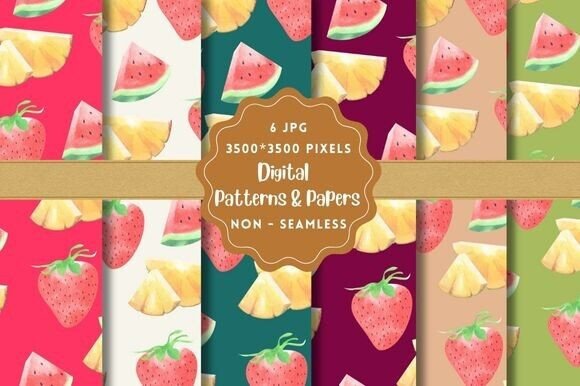
Fruit Digital Paper Patterns consist of six high-resolution JPG files, each sized at 3500 x 3500 pixels and printed at 300 DPI. This level of detail ensures crisp, clear prints whether you're using them on fabric, paper, or digital displays. The fruit motifs—ranging from tropical to seasonal varieties—add a natural, artistic flair that's suitable for a wide range of industries and personal creative endeavors.
These patterns are not just decorative; they serve as foundational elements in visual storytelling, branding, and product development. They’re especially useful for designers who need to maintain consistency across multiple outputs while ensuring scalability and clarity in every application.
Preparation and Planning for Effective Use
Before incorporating Fruit Digital Paper Patterns into your project, consider where they will fit within your overall workflow. Start by identifying the purpose of the pattern—whether it’s for a background in a presentation, a template for custom notebooks, or part of a larger branding strategy. Clarifying this helps determine which pattern style best suits your needs.
Here are some key preparation steps:
- Determine compatibility: Ensure your design software supports high-resolution JPGs (e.g., Adobe Photoshop, Illustrator, Canva, etc.).
- Assess file organization: Store your digital patterns in a dedicated folder for easy retrieval during the design phase.
- Plan for variations: If you plan to use multiple patterns in a single project, create a mock-up to test how they interact visually.
Integration Into Creative Projects
Once you’ve selected the appropriate Fruit Digital Paper Pattern, the next step is integrating it into your creative process. For digital templates, simply import the JPG into your preferred design tool and adjust its size or opacity to complement other elements. In print-based workflows, such as wall art or gift wrapping, the high resolution allows for sharp reproductions even when scaled up.
For example, an educator designing interactive learning materials might overlay text or diagrams onto a fruit-patterned background to make content more engaging. Similarly, a small business owner creating branded stationery could use these patterns to craft cohesive packaging or promotional items that reflect a fresh, organic theme.
Workflow Examples
- Design Phase: Import the JPG into your editing software and layer it beneath your main content. Adjust transparency if needed to maintain readability.
- Testing: Print a sample at actual size to assess quality. This is particularly important if you're working with substrates like fabric or cardstock.
- Finalization: Save the completed design in the required format (PDF, PNG, JPEG) depending on your output platform, be it print or digital.
- Implementation: Upload the design to your print-on-demand service, such as Etsy, Zazzle, or Amazon Merch, or apply it directly to your product creation process.
Use Cases Across Industries
The versatility of Fruit Digital Paper Patterns makes them suitable for various use cases. Here are a few practical examples:
- Graphic Design: Use as a background for social media posts, flyers, or brochures to add a touch of nature without overwhelming the message.
- Stationery and Greeting Cards: Apply the patterns to card bases, envelopes, or inserts to give your products a unique and eye-catching appearance.
- Wall Art and Décor: Scale up the pattern for canvas prints or wallpaper to transform a space with botanical elegance.
- Scrapbooking and Journals: Incorporate into layouts for a thematic look that aligns with travel, food, or lifestyle narratives.
- Apparel and Tote Bags: Combine with vector-based typography or logos to create stylish and marketable products.
Combining With Other Tools and Resources
To maximize efficiency, pair Fruit Digital Paper Patterns with tools that streamline your creative and production processes. For instance:
- Use Adobe InDesign or Illustrator for precise layout control when designing multi-page notebooks or posters.
- Integrate with Canva for quick edits and prototyping, especially if you don’t have advanced design software.
- Upload the final artwork to platforms like Cricut Design Space or Silhouette Studio for cutting machines, enabling custom vinyl stickers or decals.
- Automate product listings on print-on-demand sites by setting up templates with the pattern already applied.
Practical Tips for Quality and Consistency
Maintaining high standards when using digital paper patterns requires attention to detail. Here are a few tips to ensure optimal results:
- Resolution Check: Always verify that the pattern remains at 300 DPI before exporting for print. Lowering the resolution can result in blurry outputs.
- Color Mode: Convert images to CMYK mode if printing professionally, to match the color profile used by most printers.
- Consistency Across Designs: When using multiple patterns, keep the color palette and scale consistent to maintain a unified aesthetic.
- Test Prints: Before mass-producing items like tote bags or posters, do a trial run to ensure the pattern aligns well with the chosen substrate and printing method.
Organizing Your Digital Assets
Efficient asset management is crucial when working with digital patterns. Create a naming convention that reflects the pattern’s use case—for example, “FruitPattern_Tropical_Background” or “FruitPattern_Citrus_GreetingCard.” This practice saves time when searching for specific assets later in your workflow.
Consider using cloud storage solutions like Google Drive or Dropbox to back up your files and share them with collaborators. Tagging or categorizing files by type, project, or client also enhances usability and long-term accessibility.
Optimizing for Long-Term Use
One of the strengths of Fruit Digital Paper Patterns is their reusability. Whether you're planning a series of themed products or building a brand identity around nature-inspired visuals, these patterns can be repurposed creatively over time.
Think about how you can adapt the same pattern for different purposes. For instance, a tropical fruit pattern might appear as a digital background in a blog post one month and as a textured element in a line of handmade journals the next. This flexibility encourages resourcefulness and reduces the need to source new assets frequently.
Best Practices for Repeated Use
- Create Master Files: Keep original copies unaltered so you can always return to the base pattern for new adaptations.
- Version Control: Track changes to ensure you can revert or update designs without losing previous iterations.
- Feedback Loops: If using these in customer-facing products, collect feedback to understand which patterns resonate most and refine your selections accordingly.
Ensuring Compatibility and Scalability
While Fruit Digital Paper Patterns are designed for high-resolution use, it’s essential to test how they perform across different mediums and scales. A pattern that looks great on a screen may require adjustments when printed on a large banner or stretched across a tote bag. Pay attention to tiling—if you're repeating the pattern seamlessly, ensure there are no visible seams or distortions.
Additionally, consider the lighting and texture of the final surface. Some patterns may lose definition when printed on textured fabrics or matte papers. Conducting tests with a few different substrates gives you confidence in how the design will translate in real-world applications.
Technical Considerations
- File Format: JPG is excellent for photographic detail but doesn't support transparency. For layered designs, convert to PNG if necessary.
- Layer Management: Keep the pattern on a separate layer so it can be toggled off or adjusted independently during the design process.
- Export Settings: When exporting final designs, choose lossless compression options to preserve image quality.
Enhancing Productivity and Creativity
Using Fruit Digital Paper Patterns effectively can boost productivity by reducing the need to start from scratch. Instead of spending hours creating a custom pattern, you can focus on refining the rest of your design. This approach is particularly valuable for freelancers, entrepreneurs, and marketers who juggle multiple projects simultaneously.
Moreover, these patterns can act as a starting point for further creativity. By adjusting colors, adding overlays, or combining them with other textures, you can develop unique designs that stand out in a competitive market. Think of them as a foundation rather than a finished product—something that invites customization and innovation.
Real-World Workflow Example
Imagine you're a small business owner launching a line of eco-friendly reusable grocery bags. You want the designs to feel natural and appealing. Here’s how you might integrate Fruit Digital Paper Patterns into your workflow:
- Select a fruit pattern that matches your brand’s aesthetic—perhaps citrus fruits for a fresh, clean vibe.
- Import the pattern into your design software and place it behind your logo and tagline.
- Adjust the contrast slightly to ensure the text stands out clearly against the background.
- Print a sample on cotton fabric to evaluate how the pattern holds up under typical use conditions.
- After approval, upload the final design to your print-on-demand partner and set up automated order fulfillment.
Conclusion
Fruit Digital Paper Patterns are a powerful addition to any designer’s toolkit. Their high resolution, adaptability, and broad use cases make them suitable for everything from digital templates to tangible products. By understanding how they fit into your workflow and following best practices for integration, you can leverage these patterns to produce professional-quality results efficiently and consistently.
Whether you're crafting greeting cards, designing educational materials, or developing a product line for print-on-demand, Fruit Digital Paper Patterns provide a reliable and inspiring foundation. Use them wisely, and let their natural charm elevate your creative output.